If you're asking "will I get married in 2026?", no date or reading can decide for you. This article helps you distinguish passing worry from deeper disagreement, approach marriage without pressure, and examine your long-term plans. It also explores how astrological dates for 2026 can support personal reflection without replacing honest conversation or your freedom to choose.
Published on:
14/11/2026
What if your doubts don't necessarily mean your relationship is doomed, but that an important decision deserves to be clarified? If you're wondering "will I get married in 2026?", no date or reading can decide for you. The answer depends above all on your shared desire and the place marriage holds in your plans.
It's natural to hesitate, even when love is present. Commitment, life rhythm, the desire to have children, career, or your visions of the future can raise concrete questions. You don't have to turn these doubts into an immediate verdict. Taking the time to understand what's holding you back can already make your choice calmer.
In this article, you'll find guideposts to distinguish a passing worry from a fundamental disagreement, approach marriage without putting pressure on yourself, and examine your long-term plans. We'll also see how astrological dates suggested for 2026 can nourish personal reflection, without replacing your conversations or your freedom to choose. The goal isn't to predict your future, but to help you better hear what you truly want.
Key Points
Distinguish hesitation linked to stress from a deep disagreement about commitment before making your decision.
Address your doubts by naming what worries you and leaving real room for your partner's point of view.
Compare your long-term plans: family, career, place of living, and expectations regarding marriage.
Spot signs of readiness in your ability to communicate, handle disagreements, and move forward as a team.
Anticipate practical and legal obstacles that could postpone the celebration, without confusing them with an answer about your relationship's future.
In France, 240,000 marriages were celebrated in 2023. This figure places marriage in a concrete reality, but says nothing about the decision that suits your relationship. If you're thinking "Will I get married in 2026?", start by distinguishing your personal desire from family or social expectations. A ceremony can matter a lot, without summing up the strength of a relationship on its own.
To clarify your choice, examine separately your desire for commitment, your daily life as a couple, and your vision of the future. Ask yourself if you want to get married even without a big reception, if you can talk about disagreements without feeling threatened, and if your plans align. For example, wanting to live together while having different views on where to live or children calls for a specific discussion. The balance between affection and compatibility is built in these exchanges, not around a date chosen under pressure.
Also observe what changes when you imagine the wedding. Do you feel momentum, curiosity, fear, or mostly relief at the idea of postponing the decision? An isolated emotion doesn't give a definitive answer. Instead, note the situations that trigger it: talking about the ceremony, mentioning shared finances, or meeting the families. This approach deepens your reflections and helps you see if your doubts concern the marriage itself or a specific point in your relationship.
If astrology is part of your guideposts, it can serve as symbolic support, never a verdict. In 2026, Mercury retrograde is indicated from February 26 to March 20, June 29 to July 23, and October 24 to November 13. Venus retrograde is indicated from October 3 to November 14. Some interpretations suggest May 9 or June 21 as favorable dates. They associate the New Moon with new beginnings and the Full Moon with emotional expression.
These guideposts do not replace your consent or your conversations. A date presented as favorable doesn't automatically make a couple ready, and an astrological period doesn't decide its future. The most concrete criteria remain free choice, the ability to talk about sensitive subjects, and respect for each person's pace. If one of you hesitates, first seek to understand what that hesitation reveals. The decision begins with shared understanding, not with booking a venue.
About 50% of unions end in divorce; this benchmark invites you to address expectations and disagreements together before making a decision.
2. Making a decision after doubts
After a period of hesitation, avoid deciding in the middle of an argument or a moment of fatigue. Instead, choose a calm moment, without guests or preparations to organize. Each person can then express what they want, what worries them, and what they need to move forward. This first conversation aims to understand the other person, not to get an immediate yes. In a relationship, the quality of communication matters more than an answer given under pressure.
To make the exchange concrete, take one subject at a time. Distinguish, for example, the fear of the ceremony from doubt about the commitment. If one person dreads the expenses or the attention of families, they may want a more discreet wedding without questioning the couple's history. If the disagreement concerns where to live or parenthood, it relates more to a shared project. Naming the subject helps identify the source of the blockage and avoid hasty conclusions.
Then give each person a comparable amount of speaking time. One can start by explaining what marriage would change in their life; the other rephrases what they understood before responding. This simple step limits misunderstandings, especially if a word like "soon" doesn't mean the same thing for both partners. A loved one may advise deciding quickly, but the decision pace belongs to the couple. Seek a balance between listening to the other and respecting your own limits.
After this conversation, agree together on the next step rather than making a definitive promise. You can decide to revisit the subject after talking about the ceremony, housing, or family expectations. If you agree on the principle but not the form, compare realistic options: an intimate celebration, a later date, or a simplified organization. If one of you doesn't feel ready, specify what would allow them to re-examine the question, without imposing an artificial deadline.
Finally, observe the actions that follow. Does your partner return to the discussion, share important information, and participate in shared decisions? These examples weigh more than a declaration made during a happy evening. If you need another angle to illuminate your love questions, a quick chat response can support your reflection. Keep the decision in your hands: lasting happiness also rests on the freedom to choose together, or to recognize that your paths diverge.
Long-term life plans
Marriage accompanies a shared project, but doesn't replace it. To know if this project can give a foundation to your relationship, compare your visions of daily life. Talk, for example, about where you want to live, your career choices, and the place of your loved ones. A couple can love each other deeply while having different expectations on these subjects. Recognizing them allows you to check if your plans can move forward together, rather than counting on the ceremony to resolve them.
Also address the subjects that influence your future: do you want children, how do you imagine sharing domestic responsibilities, and what place do you give to your career? Take the example of a partner who plans to move for work, while the other wants to stay near their family. It's not necessarily about giving up one of these plans. It's about understanding what each person can accept, what remains essential, and what options could bring lasting balance.
The astrological dates of 2026 can serve as symbolic guideposts, if this practice speaks to you. March 28 is presented as favorable for marriage, as are May 16, June 27, and September 25. Saturday, February 14 is associated with Valentine's Day and lasting commitment. Saturday, May 23 is linked to communication and creativity, while Saturday, October 10 is suggested during Libra season. These associations do not describe your future on their own.
First choose the meaning of the date, then see if it aligns with your reality. February 14 can evoke a romantic story; May 23, a desire to place dialogue at the center. Ask yourself if this symbolism matches your values, or if it mainly comes from an external trend. A date can accompany your decision and give it personal meaning. It doesn't necessarily make your goals compatible, nor does it decide what you will build together.
The concrete calendar also counts. To organize a wedding in 2026, it is advisable to start preparations at least a year in advance. Future spouses often plan their wedding one or two years ahead. This anticipation leaves time to align the date with professional projects, loved ones' travel, and the desired pace. It can also reveal if you are both ready to commit to a shared organization, without confusing logistics with the quality of your relationship.
Finally, imagine an ordinary day after the ceremony, not just the celebration. Where do you live? How do you make important decisions? If your answers differ, explore these gaps before setting your calendar. A true long-term project leaves room for each person's aspirations and future adjustments. Your choice gains clarity when the envisioned commitment matches the life you want to lead, rather than a seductive date alone.
4. What signs show my relationship is ready for marriage?
A couple ready to consider marriage doesn't live without disagreements. Rather, they know how to resume discussion without seeking to humiliate the other. After an argument about vacations, for example, each person can explain their needs, listen to the response, and agree on a shared choice. This ability counts more than the absence of conflict. It shows that tensions can be addressed without systematically threatening the relationship.
Trust is also seen in ordinary gestures. You can talk about a career change, a family worry, or a mistake without fearing a disproportionate reaction. If one person needs time before responding, the other respects this pause instead of demanding an immediate decision. This security doesn't mean accepting everything. It allows you to clearly set a limit, then seek a solution that respects both partners.
Another benchmark is being able to talk about concrete subjects before the ceremony. Discuss sharing tasks, relationship to money, place of living, and the role of families. For example, if one wants to live near their parents and the other prefers a big city, exchange on the reasons for these preferences. It's not necessary to have already settled every detail. However, you must be able to talk about it honestly, without durably avoiding the subject.
Readiness also shows in how you make decisions together. To organize a trip, do you choose an option that considers each person's constraints? Faced with an unexpected event, do you seek to solve the problem together rather than designate someone responsible? These simple situations show how your couple shares responsibilities. They also reveal if one person carries the organization alone while the other simply approves the decisions.
Finally, check that the project comes from both of you. A family's enthusiasm, a symbolic date, or pressure from friends do not replace free consent. If one person accepts mainly to avoid disappointing loved ones, take the time to distinguish their wish from this external expectation. Conversely, reservations about a large reception don't necessarily mean a refusal of marriage. They may simply signal a preference for a more intimate celebration.
An important sign is the ability to remain two distinct people within a shared project. Each person can keep their friendships, interests, and ambitions, while making room for the couple's needs. For example, a job change may require a discussion about schedules or a move, without automatically imposing the sacrifice of a single partner. Before committing, ask yourself if you can imagine this cooperation on a daily basis, beyond the ceremony.
5. What risks or obstacles could delay a wedding in 2026?
A wedding can be postponed for very different reasons. A disagreement on the date, difficulties gathering loved ones, or an administrative process that takes time can alter the calendar. Distinguish the practical obstacle from doubt about your commitment. For example, the unavailability of a venue says nothing, on its own, about the strength of your relationship. However, a persistent disagreement about marriage deserves a separate conversation.
Some couples avoid choosing a date during Mercury or Venus retrogrades, according to the astrological guideposts they follow. This preference can influence the calendar, but it does not constitute a civil rule in France. If a symbolic date matters to you, also examine the real constraints: venue availability, guests' travel, and the possibilities of the relevant town hall. An astrological period does not, on its own, allow you to predict the unfolding of your ceremony.
A legal obstacle requires different attention. According to Service Public, an opposition can prevent the celebration of a marriage that does not meet the legal conditions. In this case, the calendar depends on the situation examined and the necessary steps, not on an astrological date chosen by the couple. So clearly separate administrative questions from personal worries. A difficulty linked to the conditions of celebration does not automatically constitute an answer about your feelings.
Organizational constraints can also accumulate. Imagine that the chosen date suits the couple, but not the loved ones who must travel, or that the desired venue is no longer available. You must then choose between preserving this date, adapting the format, or postponing the celebration. A more intimate celebration can answer an availability problem, while a change of period can facilitate the family's attendance. The right compromise depends on what matters most to you both.
Relational tensions can also delay the decision. If every exchange about the ceremony turns into conflict, identify the specific subject: family involvement, sharing responsibilities, or difference in pace. For example, one may want to announce the date quickly, while the other asks for more time. First address this concrete disagreement, without reducing it to a simple calendar question. A postponement can then leave time to clarify expectations, rather than becoming a sanction.
To move forward, classify each difficulty according to its nature: practical, administrative, or linked to your relationship. Then note the necessary decision, the person concerned, and what blocks the next step. This method helps see if the marriage is still desired but must be reorganized, or if a deeper doubt requires your attention. If uncertainty concerns your romantic prospects, ask for quick chat answers to nourish your reflection, without giving up your decision-making power.
Breeve
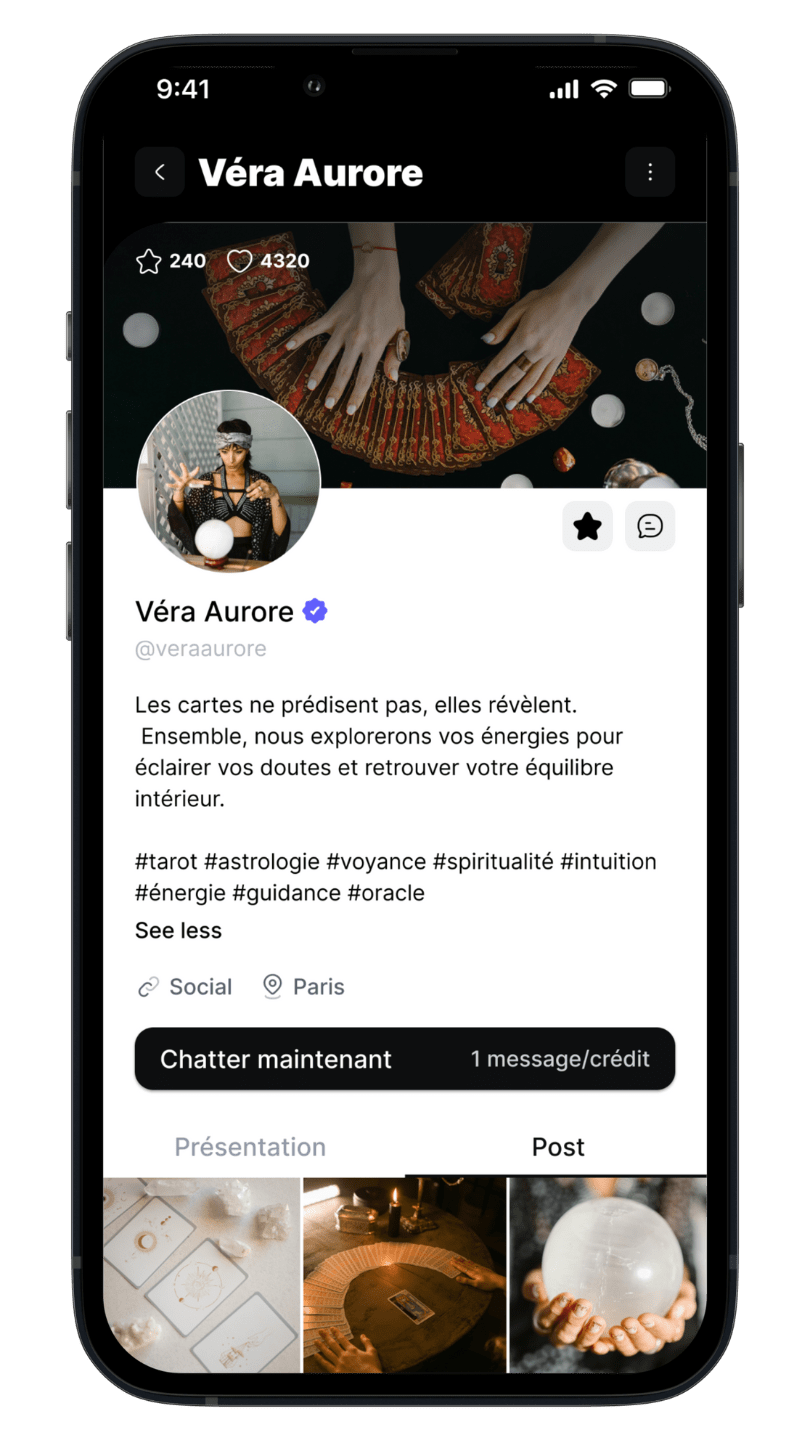
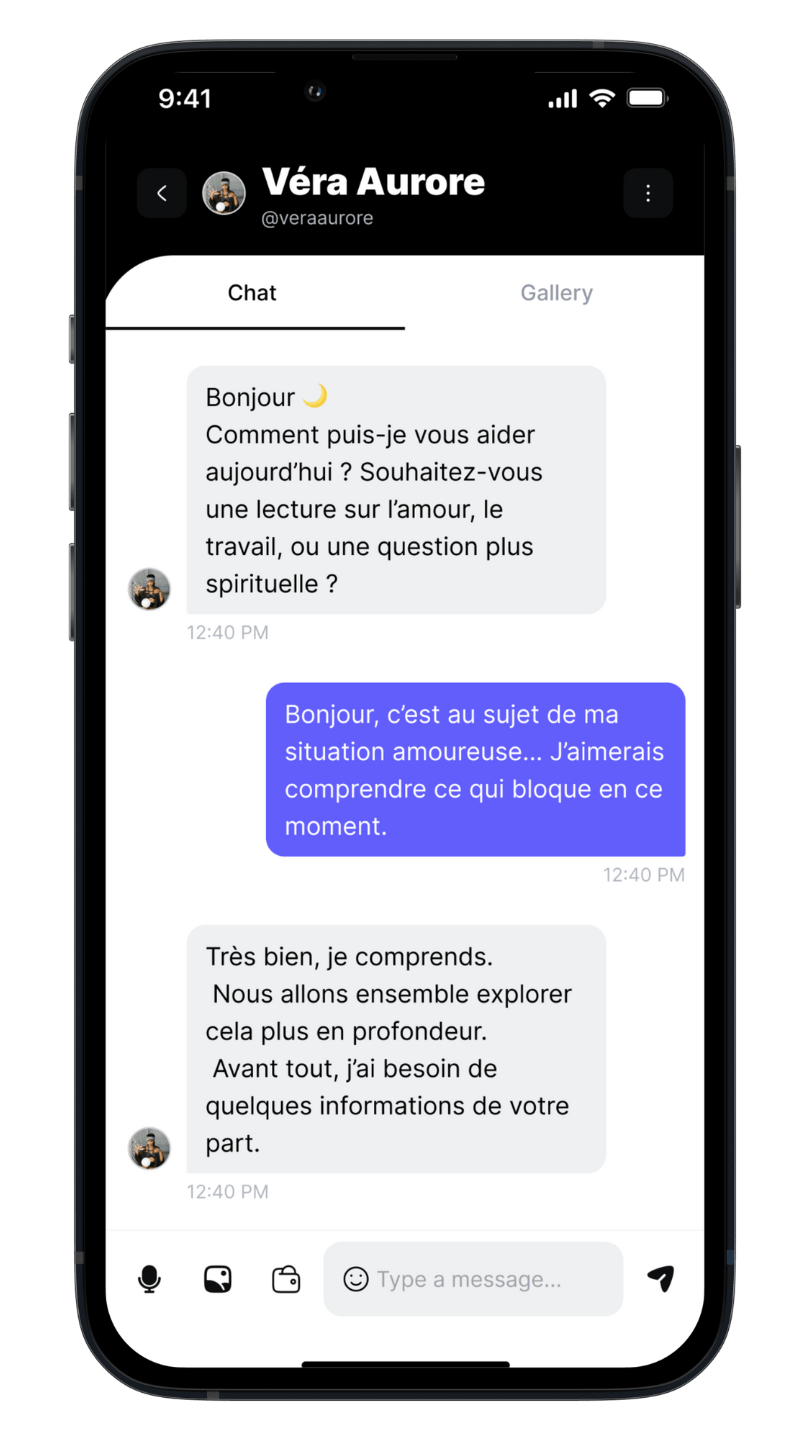
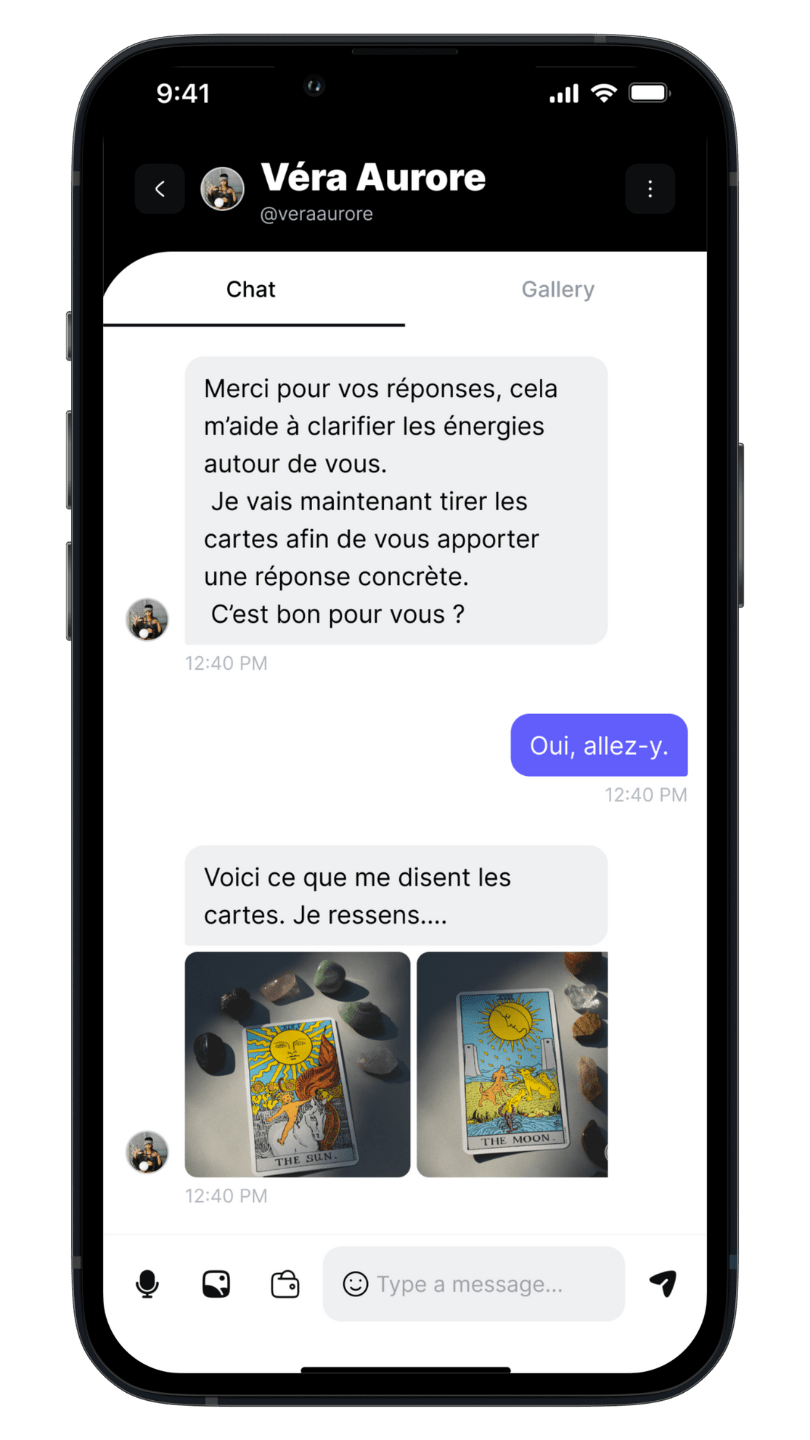
Breeve offers online psychic readings to help you reflect on your love life when the question of marriage remains open. A relationship reading can offer you another perspective on your relationship and the questions that accompany it. This guidance doesn't decide for you: it can help you clarify what you feel and the subjects you want to address with your partner.
You can turn to Breeve to formulate your doubts and gain perspective, without confusing an intuitive reading with a certainty about the future. Your choice remains personal and is also built in your exchanges and shared plans. To explore your questions about marriage and your relationship, chat with a Breeve advisor.
Move toward a decision that reflects you
The question "will I get married in 2026?" doesn't ask for a rushed answer, but for attentive listening to your desires and your reality. You can evolve your reflection as your exchanges illuminate what truly matters. A decision matured together is worth more than a calendar followed out of obligation.
If you want to gain perspective, Breeve offers chat readings, particularly on romantic relationships and professional life. This exchange can help you formulate your questions and consider another perspective, without deciding for you. Your choices remain your own.
Contact Breeve to talk about it. Move forward at your own pace, with confidence in your ability to choose the path that suits you.
Frequent questions
To get married or not to get married?
The right decision is the one you choose freely, without confusing the desire for a celebration with the desire to commit. To know if you will get married in 2026, separate these two questions: do you want a ceremony, and do you want to build a marital future? For example, you can want to formalize your union while preferring an intimate celebration. This distinction helps formulate a decision more faithful to your priorities.
Sacred union or Mission impossible?
Neither the expression "sacred union" nor the reference to Mission impossible predicts a couple's future. These images can convey a romantic vision or a worry, but they don't replace observing your daily life. Instead, look at whether the difficulties are occasional or if the same commitments are regularly ignored. An isolated setback doesn't sum up a relationship, while a recurring problem deserves particular attention before any decision.
What do astrology and numerology say about a wedding in 2026?
Astrology suggests certain dates as favorable, notably March 28, May 9, May 16, June 21, June 27, and September 25. These guideposts remain symbolic and do not replace your consent or your exchanges; no specific numerology indication is provided.