Jealousy in a Relationship: What to Do When Doubts Arise?
Jealousy in a Relationship: What to Do When Doubts Arise?
Jealousy often speaks as much about your own fears and needs as it does about your relationship. A psychic reading on jealousy can open a path for reflection, but it cannot prove infidelity or a lack of feelings. To move forward, distinguish what you feel from concrete facts, then explore what is feeding the doubt.
Published on:
12/11/2026
What if jealousy speaks as much about your fears and needs as it does about your relationship? A psychic reading on jealousy in a relationship can open a path for reflection, but it does not prove infidelity or a lack of feelings. To move forward, distinguish what you feel from concrete facts, then look for what is feeding the doubt.
It is understandable to want reassurance when mistrust sets in. Yet, monitoring, accusing, or constantly demanding proof can widen the distance. Jealousy can express the fear of losing the other person, a weakened trust, or a discomfort in the relationship. It does not justify control: your boundaries and your safety matter.
In this article, you will discover what jealousy can reveal, how to spot suspicion and intrusive behaviors, and which avenues to explore to understand its origin. You will also see how an intuitive reading can support your reflection, without replacing observation of the situation or deciding for you.
Key points
Jealousy can signal a fear or an emotional need: identify what it reveals before acting.
Distinguish facts from your impressions and express your feelings without accusing your partner.
Spot repeated checks, restrictions, and isolation, then set clear boundaries.
To understand the origin of doubts, observe the context of the relationship and the events that weakened trust.
A psychic reading can feed your reflection, but cannot establish with certainty whether your partner is faithful.
Emotional jealousy can express the fear of losing your partner, of not mattering enough, or of being replaced. It proves neither love nor the existence of a real threat. However, it can draw attention to a need for closeness, security, or recognition. For example, a person might worry when their partner spends more time with a new acquaintance. This emotion reveals a feeling to examine, not proof of infidelity.
When jealousy appears, take the time to name what worries you. Is it a specific event, like a broken promise, or a recurring fear without any new fact? This distinction helps you see whether the doubt concerns the current situation or a deeper emotional insecurity. Jealousy can inform the jealous person about their needs: more dialogue, signs of attention, or clearer commitments.
Emotional dependency can also amplify the fear of losing the other person. If your sense of security seems to rest entirely on your partner's responses, presence, or approval, an absence can take on disproportionate importance. Observe a concrete example: after an unanswered message, do you immediately imagine a breakup or a betrayal? Spotting this reaction helps distinguish the need for reassurance from what you actually know.
To talk about jealousy, choose the method that helps you express yourself calmly. The phone allows for an oral exchange, while an online consultation can be suitable if you prefer to formulate your thoughts in writing. An in-person consultation can offer a face-to-face exchange. The best option depends mainly on your comfort and how you wish to ask your questions.
To a psychic reader, ask instead: "What does this jealousy teach me about my needs?" or "How can I distinguish my fears from the facts?" These questions orient the consultation toward your experience and your choices. Avoid making it a request for proof about your partner's feelings or fidelity.
The risk is taking an interpretation for a certainty, then accusing or monitoring the other person on that basis. A consultation does not replace a direct conversation or the observation of concrete behaviors. Keep your decision-making ability: a reading can offer a perspective for reflection, but it should not dictate your conduct.
Jealousy can have a protective function when it reveals the need to preserve the bond or to regain one's place. But understanding this need does not justify control. If fear leads you to constantly demand proof, to limit the other person's contacts, or to give up your own activities, take these signs seriously. The search for security then risks damaging the relationship instead of soothing it.
2. Mistrust, suspicion and lack of communication
Mistrust sometimes sets in when words and actions seem to diverge. For example, your partner announces an evening out, then changes their version several times. This discrepancy can raise questions, but it is not enough to establish deception. Distinguish what you observed from the interpretation that accompanies your emotion. "He canceled our dinner" is a fact; "he is hiding someone from me" remains a hypothesis.
To talk about your fears, choose a calm moment, far from an argument or a tense exchange of messages. Describe a specific situation, then name your feeling and your need. You can say: "When our dinner was canceled without explanation, I felt left out. I would like to understand what happened." This formulation opens dialogue without turning your worry into an accusation.
Try this progression to express a doubt:
Describe the fact. "You came home later than planned on Tuesday." Avoid adding an intention you cannot observe.
Name the emotion. "I felt worried and imagined several explanations." This allows you to talk about your experience.
Formulate a concrete request. "Can you tell me what changed in your schedule?" Give the other person the chance to respond.
Then listen to the answer without immediately preparing a counter-attack. If a detail remains unclear, ask for clarification rather than multiplying questions. Dialogue can shed light on what is happening in the relationship: a different expectation, poorly communicated information, or a genuinely weakened commitment. Jealousy sometimes pushes you to seek immediate certainty; however, a precise conversation provides more elements than a general accusation.
Reassuring your partner can matter, but endlessly justifying yourself does not necessarily restore trust. If the same question comes up after every outing, for example, repeating your schedule can fuel a cycle of checks. You can acknowledge the other person's emotion while calmly reminding them of your boundary: "I explained my evening to you, but I do not want to share my messages to prove it."
After a past infidelity, trust can be rebuilt gradually through sincere and caring exchanges. For example, agree together to talk about situations that reactivate the wound, without turning every disagreement into a trial. An online psychic chat reading on jealousy in a relationship can also serve to put your questions and needs into words, without replacing this direct discussion. To clarify a question that concerns you, a quick chat response can offer a complementary time for reflection.
3. Obsessive jealousy and controlling behaviors
Jealousy becomes particularly concerning when it settles in as a permanent fear of being deceived or abandoned, even without concrete evidence. A person might, for example, interpret a few minutes' delay as proof of infidelity, then constantly search for new clues. Explanations then soothe the doubt only briefly. This repetition can exhaust both partners and weaken trust.
Observe the behaviors rather than limiting yourself to the label of "jealous". Checking the phone, demanding passwords, questioning the other person after every outing, or monitoring their movements are specific acts. Restricting contact with loved ones or preventing your partner from going out further infringes on their freedom. Jealousy is an emotion; control is a relational strategy. Understanding the emotion does not excuse imposed acts.
It is useful to distinguish a one-off worry from a pattern that invades daily life. Ask yourself what happens when a boundary is set: does your partner accept a "no", or do they intensify demands and accusations? For example, a request to check messages can become a daily verification, then a condition to avoid an argument. This shift is a concrete marker for evaluating the situation.
If you are the person feeling this jealousy, interrupt the checks before they become a ritual. Note the trigger, the immediate thought, and the observable fact: "his phone rang", then "I fear he is lying to me". This separation does not solve everything, but helps you seek a less impulsive response. You can then propose a dialogue without demanding access to the other person's devices or accounts.
Faced with a jealous partner, set a clear and concrete boundary. You can say: "I want to talk about what worries you, but I will not share my private conversations." Avoid changing your habits to prevent every accusation: these concessions risk reinforcing demands without restoring trust. If the incessant questions are accompanied by restrictions or isolation, take seriously their effects on your freedom and your ties with your loved ones.
Permanent accusations, excessive surveillance, and progressive isolation can be experienced as violent behaviors. In case of harassment or violence, the priority is to get to safety, not to convince the other person that their jealousy is unfounded. If you fear a reaction after setting a boundary, avoid an isolated confrontation and first seek a safe environment with a trusted person.
Obsessive jealousy can also appear without a real threat and lead to possessiveness or uncontrollable conduct. If the fear returns in different situations and disrupts daily life, psychotherapeutic support can help understand this cycle. An intuitive consultation should not be used to justify surveillance or to establish guilt. The essential criterion remains what is happening concretely and the possibility, for each person, to set boundaries without fear.
4. Recognizing and understanding the origin of jealousy
To understand jealousy, start by observing when it appears and what precedes it. A worry that follows a past infidelity does not tell the same story as a fear present in every relationship. In the first case, a concrete event weakened trust. In the second, it may be useful to examine the place given to attachment, the proofs of love expected, and the fear of not being chosen.
A specific change in the relationship can also trigger doubt. For example, your partner becomes distant, remains vague about a friendship, or no longer respects a shared commitment. These elements invite a discussion about what has changed, but do not by themselves prove infidelity. Jealousy is a hypothesis to explore, not a verdict on the other person. So distinguish the observed behavior from the explanation you attribute to it.
To identify the origin of your reaction, mentally note three elements: the trigger, the thought that follows, and what you feel. If an unanswered message leads to the thought "he no longer loves me", ask yourself if other facts support this conclusion. Then compare this episode to your experience: does this same fear appear with different partners, or only since a particular event? This observation helps situate the doubt in your history or in the current relationship.
When jealousy returns in several relationships, examine your expectations regarding attachment. Do you need immediate responses to feel reassured? Do you interpret a moment alone as a sign of disinterest? These questions are not meant to blame you. They illuminate the expectations that influence your perspective and can help you formulate a more precise need, such as sharing more time or clarifying a commitment.
If a present situation worries you, open the conversation based on a verifiable example. You can say: "Our plans have been canceled several times, and I would like to understand what is happening." This sentence describes a change and invites the other person to respond, without drawing a conclusion before the exchange. Listen to see if the explanations match the facts and if the commitments can be discussed calmly.
To spot a scam or a psychic reader who exploits jealousy, be attentive to words that fuel fear: certainty of deception, an announced threat, or a promise to control your partner's choices. Pressure to continue consultations, isolation from your loved ones, or the rejection of any question are also warning signs. A healthy approach should not push you to act urgently or replace your judgment.
Finally, ask yourself what you are looking for: understanding your emotion, clarifying an ambiguity, or regaining trust after a wound. This intention helps you formulate useful questions and keep the facts central. An intuitive reading can offer another perspective on your experience; it cannot establish with certainty the origin of a doubt or confirm your partner's intentions.
5. Can a psychic reading really reveal if your partner is jealous or unfaithful?
A consultation cannot establish with certainty that your partner is 100% faithful. An intuitive interpretation does not constitute proof of infidelity or jealousy. For example, hearing that a person "seems distant" does not allow you to conclude they are hiding a relationship. To evaluate your doubts, always distinguish an impression received during a reading from the observable facts in your relationship.
A psychic reading can help you bring your own questions to light. You can ask yourself why a silence worries you, what you expect from your partner, or what situation weakened your trust. These avenues concern your experience, not the secret thoughts of the other person. A consultation is more useful when it opens a reflection than when it claims to settle a question impossible to verify.
Before a reading, formulate a request centered on yourself. For example: "What is feeding my doubt in this relationship?" or "What do I need to feel safer?" These questions can bring out expectations or emotions you had difficulty naming. They leave you free to examine the answers in light of your real situation.
Beware of an interpretation presented as a certainty about an absent person. A statement such as "your partner is cheating on you, you must act immediately" risks turning a fear into an accusation. Do not make an important decision on this basis alone. Return to concrete elements: behavioral changes, unkept commitments, or contradictory explanations. Then talk directly if you feel safe.
A reading can also reflect your fear of losing the other person rather than an external event. If you come out of a consultation with more anxiety, pause before sending a message or confronting your partner. Note what comes from the reading, what you have actually observed, and the questions that remain open. This step limits impulsive reactions and helps you keep your discernment.
Jealousy, whether yours or your partner's, is better understood by observing exchanges and actions. A consultation does not replace a conversation about boundaries, needs, or the couple's commitments. If a reading invites you to check a phone or isolate your partner, do not take it as an instruction. Your safety, your freedom, and your judgment must remain central.
You can use a psychic reading as a support for reflection, without asking it to certify fidelity or diagnose the other person's intentions. Keep an open question, compare impressions to facts, and choose the next step yourself. This approach helps you seek clarity without confusing intuition, proof, and decision.
Breeve
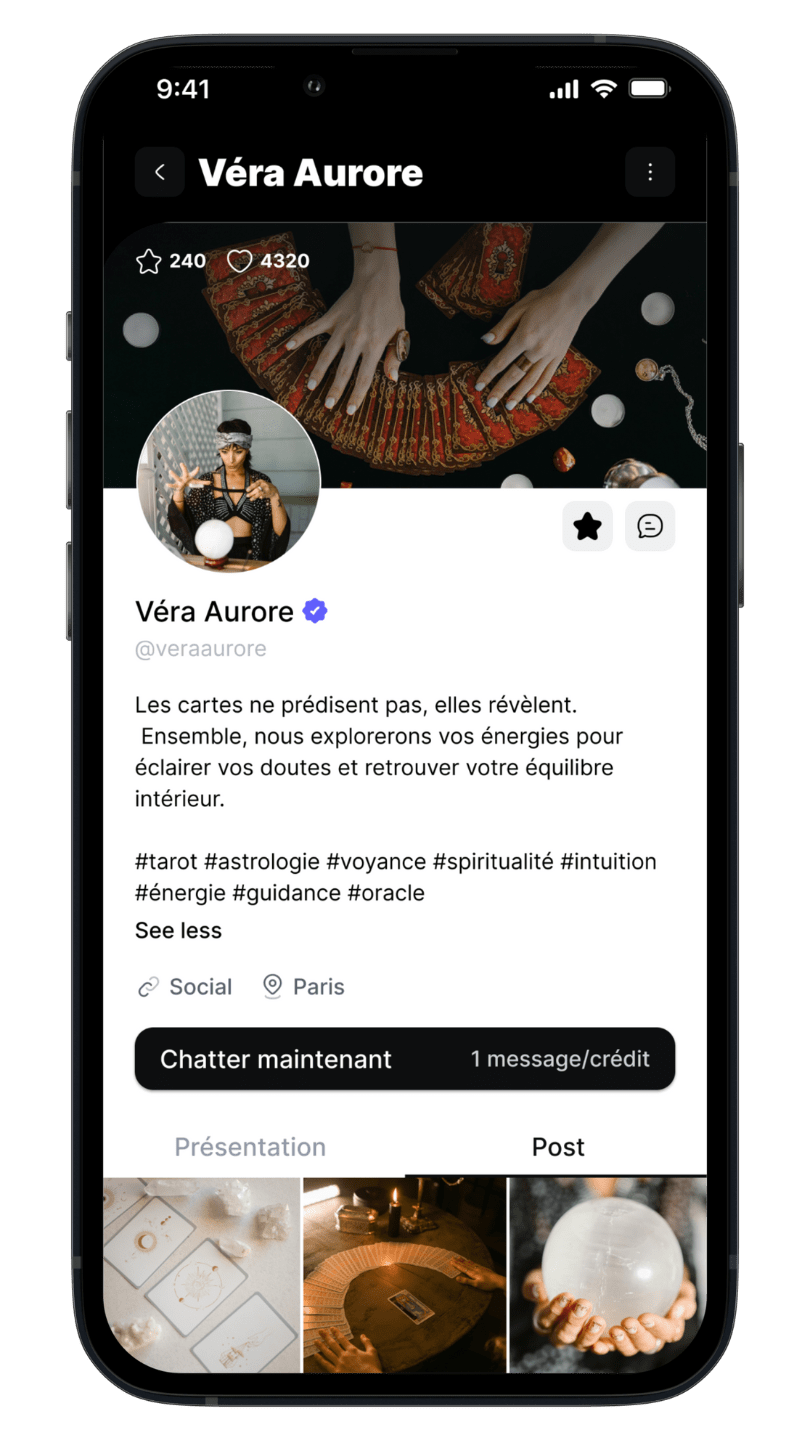
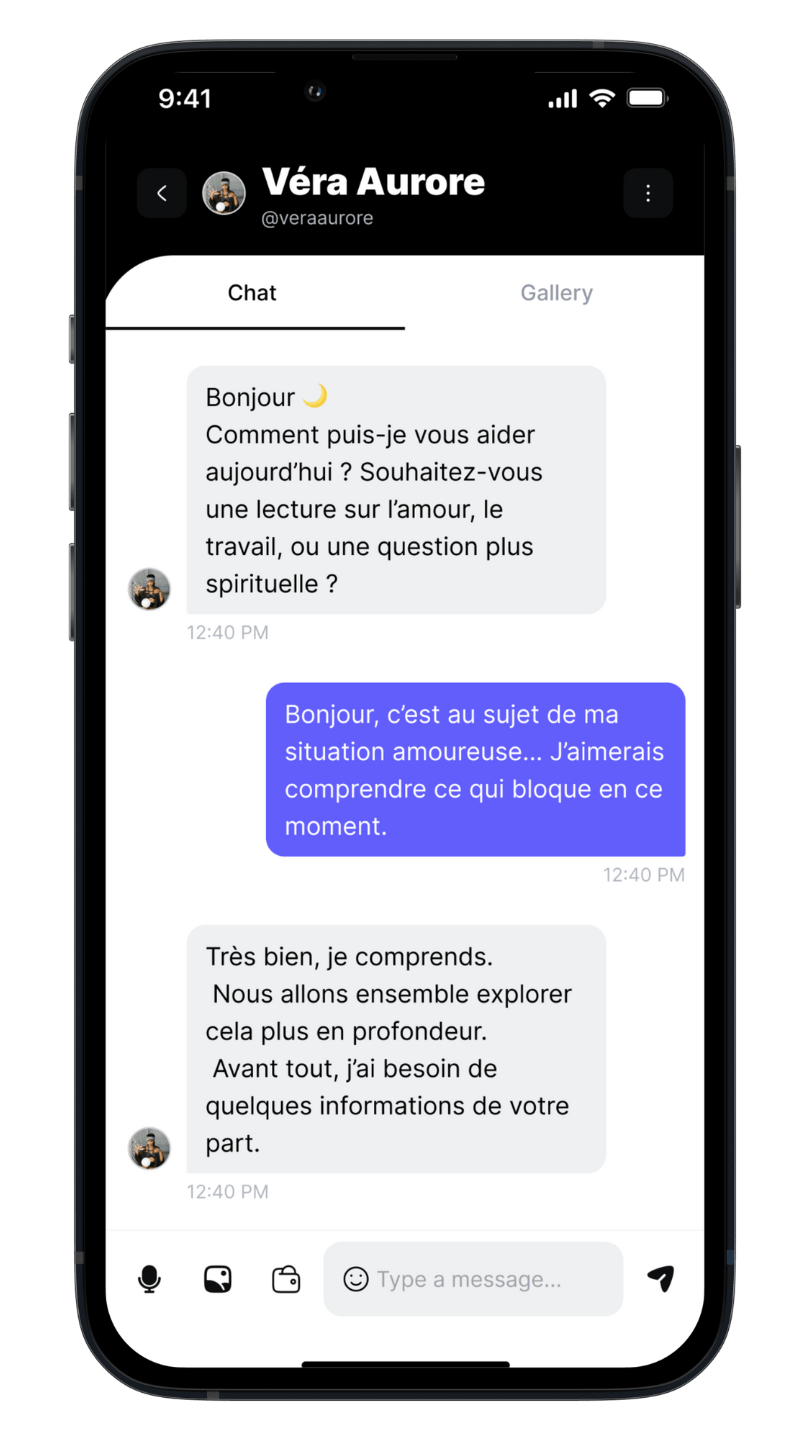
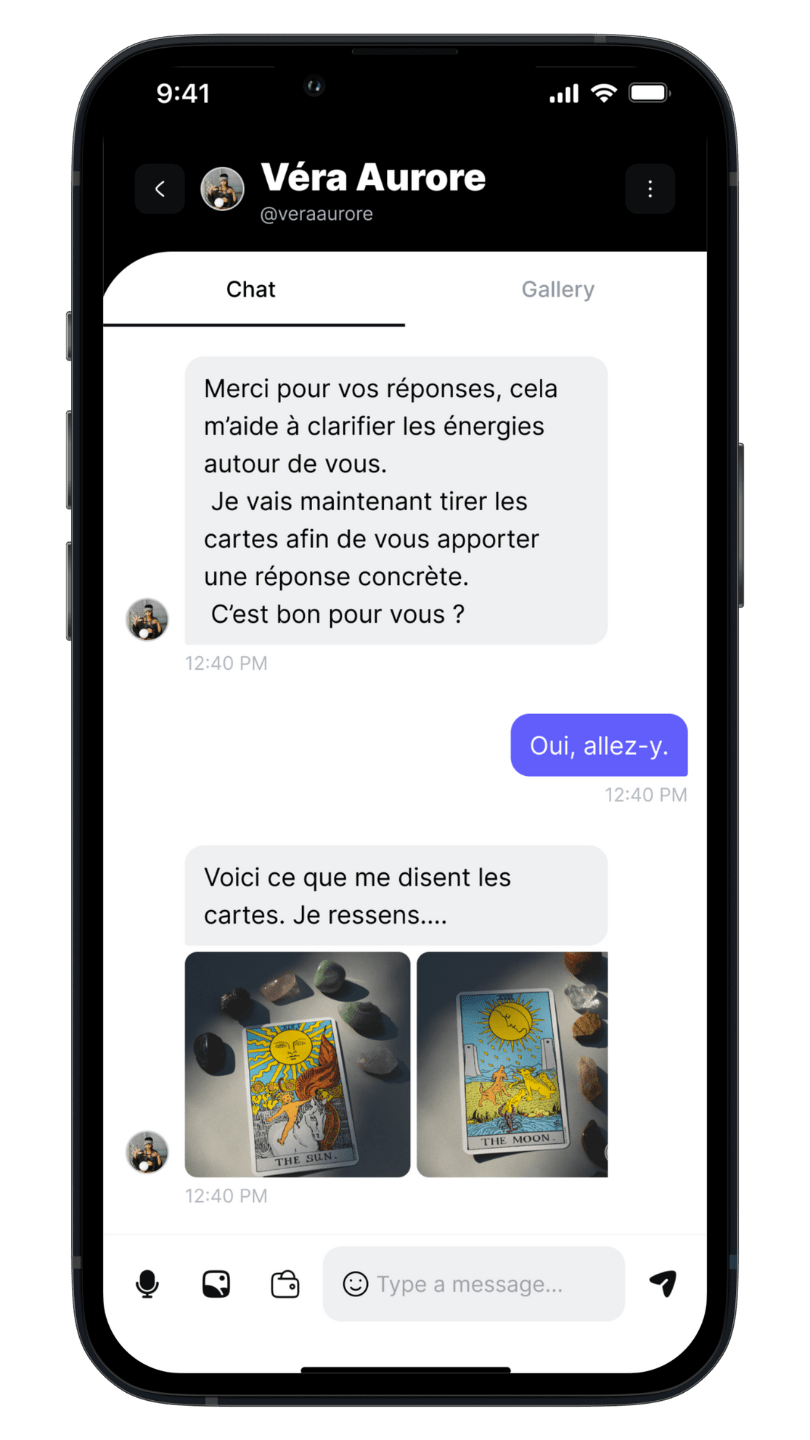
Breeve offers psychic chat readings and readings on love and relationships to help you put your doubts into perspective. If jealousy takes up a lot of space, you can share what concerns you and reflect on your needs, your emotions, and the questions to address with your partner.
This approach can complement your reflection, without replacing facts or deciding for you whether your partner is jealous or unfaithful. Choose chat or a phone consultation depending on how you prefer to communicate. Keep your bearings: a reading can illuminate your feelings, but it does not constitute proof of the other person's intentions.
To take a moment and talk about your love doubts, chat with a Breeve advisor.
Make your doubts a starting point
The next step is not necessarily to decide immediately. Before seeking certainty about the other person, ask yourself what concrete change would help you regain a calmer dialogue. A useful exchange can start with a simple question: "What do I need to understand or ask?" This intention helps you respect your boundaries and express your feelings, even if the answers take time.
If you are considering a psychic reading on jealousy in a relationship, keep a question centered on your experience: your expectations, your trust, or how to approach a delicate conversation. Use the avenues mentioned to choose what you wish to clarify, then decide the next step yourself. A thoughtful approach helps you move forward without letting fear make all the decisions.
If you wish to talk about your doubts, contact Breeve to discuss them. You can move forward at your own pace, with more clarity on what matters to you.
Frequently asked questions
So what should I do?
Start by choosing an action that helps you step back, rather than seeking an immediate answer. You can write down what you observed, the conclusion you draw from it, and what you wish to ask. For example, distinguish a change of plans from the idea that they are hiding something. If you feel in danger, prioritize your safety and avoid a risky confrontation.
Can jealousy have a protective meaning?
Yes, it can reflect the desire to preserve the bond or to keep an important place with your partner. For example, a person might feel jealousy when shared moments decrease and understand that they need more closeness. This emotion can help identify a relational need, but it alone proves neither love, nor fidelity, nor the existence of a threat.
Can you completely free yourself from jealousy?
It is possible to learn to better understand this emotion and to prevent it from directing your reactions. When a doubt returns, identify what triggered it, then choose an appropriate response rather than an impulsive check. A person can also work on their self-esteem and the importance they give to their partner's gaze. The goal is to regain more freedom in your choices, not to blame yourself for every worry.
What advice does the Jealousy card give?
In the Oracle of Mirrors, the Jealousy card bears the number 19. It invites you to separate facts from impressions, to express your feelings calmly, and not to act under the influence of fear or resentment. For example, before interpreting a silence, wait until you can talk about it without accusation. The card encourages protecting the emotional bond, without turning this intention into surveillance or control.
How does a love psychic reading consultation work?
You can choose a phone exchange, an online consultation where you formulate your thoughts in writing, or an in-person appointment. Orient your questions toward your needs and the distinction between your fears and facts, without asking for proof of fidelity.