Will I meet someone this summer? The desire to relive a romantic beginning
Will I meet someone this summer? The desire to relive a romantic beginning
What if the question 'will I meet someone this summer?' also reveals something about your longing to experience a romantic beginning again? Summer often evokes spontaneous encounters, long evenings, and the feeling of starting over. But the season cannot tell you in advance who will cross your path. What you feel, however, deserves to be heard.
Published on:
11/11/2026
What if the question "will I meet someone this summer?" also reveals something about your longing to experience a romantic beginning again? Summer often evokes spontaneous encounters, long evenings, and the feeling of starting over. But the season cannot tell you in advance who will cross your path. What you feel, however, deserves to be heard.
Hoping for a new story can go hand in hand with the memory of a past relationship, a striking first exchange, or the momentum of the early days. These images make the future appealing, but they can also color your expectations: are you looking for a new encounter or the familiar thrill of a beginning? Distinguishing these impulses helps you better understand your question, without judging yourself or forcing an answer.
You will discover how the desire to relive a romantic beginning and your memories influence the way you approach summer. We will also see how to welcome this longing with clarity, making room for an encounter without making your season depend on a prediction.
Key points
Look for interest in the consistency of exchanges and the attention paid to your answers, rather than in an isolated gesture.
Distinguish between a new encounter and the desire to recapture the sensations of a past romantic beginning.
Observe how your memories influence your expectations, without letting them decide the outcome in advance.
Clarify what you hope to experience this summer to welcome an encounter with more presence and discernment.
A reading focused on love can help you put words to your hesitations and your relationship expectations.
A sign of interest is rarely found in an isolated gesture. At the market, a person may smile out of politeness without seeking to extend the exchange. Instead, observe several clues together: they start the conversation, ask you questions, and get back in touch. Their repetition matters more than a glance or a compliment. These markers help you interpret the situation, but they do not reveal the other person's intentions on their own.
Initiative and continuity of exchanges
An interested person contributes to moving the conversation forward. After meeting at a concert, they might ask you the name of the band, then share a song that reminds them of your discussion. They might also suggest a concrete follow-up, like grabbing a coffee after a walk. The key is reciprocity: each person brings an idea, a question, or a moment of availability.
Also observe how the exchange resumes. If you talked about a book, the person might come back a few days later to ask if you finished it. This callback shows they remembered a detail and want to continue the connection. Conversely, a friendly but always brief response, without a question or a proposal, gives fewer signs of engagement. A late message alone is not enough to reveal an intention.
Attention paid to what you say
Interest often shows in the quality of listening. During a dinner on a terrace, the person lets you finish, bounces off your story, and remembers that you are leaving soon for a hike. They seek to know you beyond practical topics. Their questions might be about your tastes, your plans, or what makes you laugh. These are more telling clues than a general compliment.
Presence also counts. If the person puts away their phone to listen to your anecdote about an exhibition, they are giving you their attention. If they constantly check their notifications and quickly change the subject, the exchange seems less invested. A moment of distraction does not, however, allow you to conclude: fatigue, the noise of a festival, or an emergency can divert attention. Compare several moments, rather than an isolated scene.
They follow up: after your story about a trip to Brittany, they ask you which stop marked you the most.
They suggest: they propose visiting a bookstore you mentioned together.
They remember: they bring up a preference you mentioned, like your taste for detective films.
They respect your pace: if you decline an outing, they accept your answer without insisting.
Consistency between words and actions
A proposal becomes more significant when it materializes. If someone says they want to see you again, then chooses a time and gets back in touch to organize it, their actions confirm their words. If the plans remain vague, observe what follows: interest is also measured by the place given to the meeting in the exchanges. A busy period can explain a delay, but a reciprocal initiative helps clarify the situation.
Body language can complement these clues. During a conversation in a park, the person may turn towards you, smile, and maintain natural eye contact. These gestures vary according to personality and context. A reserved person may show their interest through thoughtful questions rather than a demonstrative attitude. So do not take a look, proximity, or a smile as certain proof.
Distinguishing between interest and simple friendliness
Friendliness and attraction can look alike, especially during a summer evening where the atmosphere invites easy conversation. To avoid hasty conclusions, distinguish pleasant exchanges from repeated approaches: does the person seek to see you again outside the group? Do they create opportunities to talk to you? Do they respond attentively and also take initiatives? These questions allow you to consider the whole situation.
You can clarify the situation without applying pressure. After a pleasant conversation, simply suggest a coffee or a walk, then listen to the answer. An agreement accompanied by a specific date indicates a willingness to continue the exchange. Hesitation or a refusal calls for respect, not insistent interpretation. If the person does not follow up, give them the necessary space and also respect your own limits.
Finally, compare these signs with your expectations. The memory of an intense first love can make you expect the same impulses, whereas a budding relationship sometimes builds calmly. An attentive person who respects your pace can, for example, show real interest without spectacular gestures. Look for a mutual dynamic: curiosity, consideration, and exchanges that move forward at a pace comfortable for both of you.
Meeting again
After a breakup, the idea of a new encounter can be both attractive and unsettling. The question "will I meet someone this summer?" may also hide a more concrete concern: how do I make room for someone in my daily life? Examine your real availability. An already busy schedule, a move, or a family vacation can influence your opportunities to meet. Recognizing them helps you choose a pace that suits you, without making summer a deadline to succeed.
Distinguishing the desire for a relationship from the need to breathe
You can wish for a relationship while needing time to regain your balance. These two impulses do not cancel each other out. Imagine someone invites you for a coffee after a tiring day. If the idea interests you, but you prefer another time, suggest a date that works for you. If you mainly feel an obligation, you can simply decline. Your reaction to this possibility tells you about your needs at the moment.
Also ask yourself what you are ready to share now. You can want to discover someone without telling your personal story right away. During a first outing, talking about music, cooking, or a vacation project is enough, for example, to start the exchange. You do not have to define your romantic intentions from the first conversation. Let your answers evolve as you learn about the person and yourself.
Choosing a pace that lets the encounter breathe
An encounter is built in ordinary moments, not just during vacations. A break after work, a free lunch, or an outing between two obligations may suit better than a whole evening. If your schedule varies, suggest a specific time slot rather than a vague availability. This makes it easier to organize the follow-up, without committing beyond what feels comfortable.
You can also plan a simple date, easy to cut short, like a coffee in a public place or a walk in a busy park. This setting allows you to get acquainted without giving too much weight to the first meeting. Think about your practical comfort: the journey, the time, and the desired duration. These details do not determine affinity, but they can help you stay available for the conversation.
Take stock: identify the moments when you really feel like meeting someone.
Choose an opportunity: favor an activity compatible with your energy and your schedule.
Decide afterwards: ask yourself if you want to see this person again, without having to plan the entire future.
Another question can complement "will I meet someone this summer?": what would make this experience satisfying for me? Perhaps you simply want to reconnect with curiosity, without starting a serious relationship right away. Perhaps you prefer to move forward with a clear intention. In both cases, naming your wish helps you make coherent choices. This way, you avoid measuring your summer solely by the number of dates or the expectations of those around you.
Finally, keep some room to adjust your desires. You can accept an invitation, then realize you need a quiet evening the next time. You can also discover that a new activity pleases you, even if it does not lead to a story. This flexibility is not a step back: it allows you to stay attentive to your own experience. To reflect on what you wish to experience, you can ask for answers to your love questions.
Would I meet
The phrasing "would I meet someone?" often expresses a possibility, not a certainty. The conditional translates a projection: you imagine what could happen during the summer, without yet having all the elements. An invitation to a festival, a change of pace, or a new activity can open opportunities for exchange. But the challenge is also to understand what you hope to experience, beyond a date or a specific scenario.
What your question reveals about your expectations
To clarify your thinking, distinguish three elements: the desire, the circumstances, and the desired result. You can desire a relationship, meet new people during your vacation, and hope for a lasting story. These elements are linked, but they do not all depend on you in the same way. Choosing a group activity facilitates exchanges, for example, without allowing you to decide the outcome in advance.
An example can help you sort things out. You imagine meeting someone during a seaside stay. Ask yourself if what attracts you is the unknown person, the vacation setting, or the idea of a new beginning. If you are mainly looking to recapture the intensity of a first love, your expectation may be as much about a sensation as about an encounter. This distinction makes your projection more personal and concrete.
Turning a projection into real possibilities
Instead of waiting for a specific sign, identify opportunities compatible with your daily life. This could be a meal with friends, a sports activity, or a cultural outing. In a smaller town, a local festival or a community gathering can create a context conducive to conversations. The goal is not to multiply outings at all costs. It is about choosing places where you want to be, even without a romantic encounter.
A simple approach is to define what makes you comfortable. Do you prefer talking in a small group, meeting someone through friends, or starting with a shared activity? A noisy evening does not suit everyone. If you like calm exchanges, a walk or a workshop may suit you better. By taking your temperament into account, you make new encounters more natural.
Name your desire: are you looking for a relationship, a complicity, or simply new conversations?
Choose a context: pick a summer activity you enjoy, like a concert or a walk.
Observe your feeling: after the exchange, ask yourself if you were curious, relaxed, and free to be yourself.
These steps are not meant to control the future. They help you distinguish a pleasant opportunity from an expectation that puts you under pressure. If you compare every conversation to a past story, return to the present facts: what this person said, what you appreciated, and what you would like to discover next. An exchange about a film can simply make you want to continue the discussion, without immediately defining the nature of the bond.
Also leave room for surprises. An encounter can start with a friendship, an unexpected conversation, or an acquaintance already present in your circle. The context matters, but your emotional availability also plays a role in how you welcome the exchange. To shed light on what you expect from a new story, ask for answers to your love questions.
Breeve
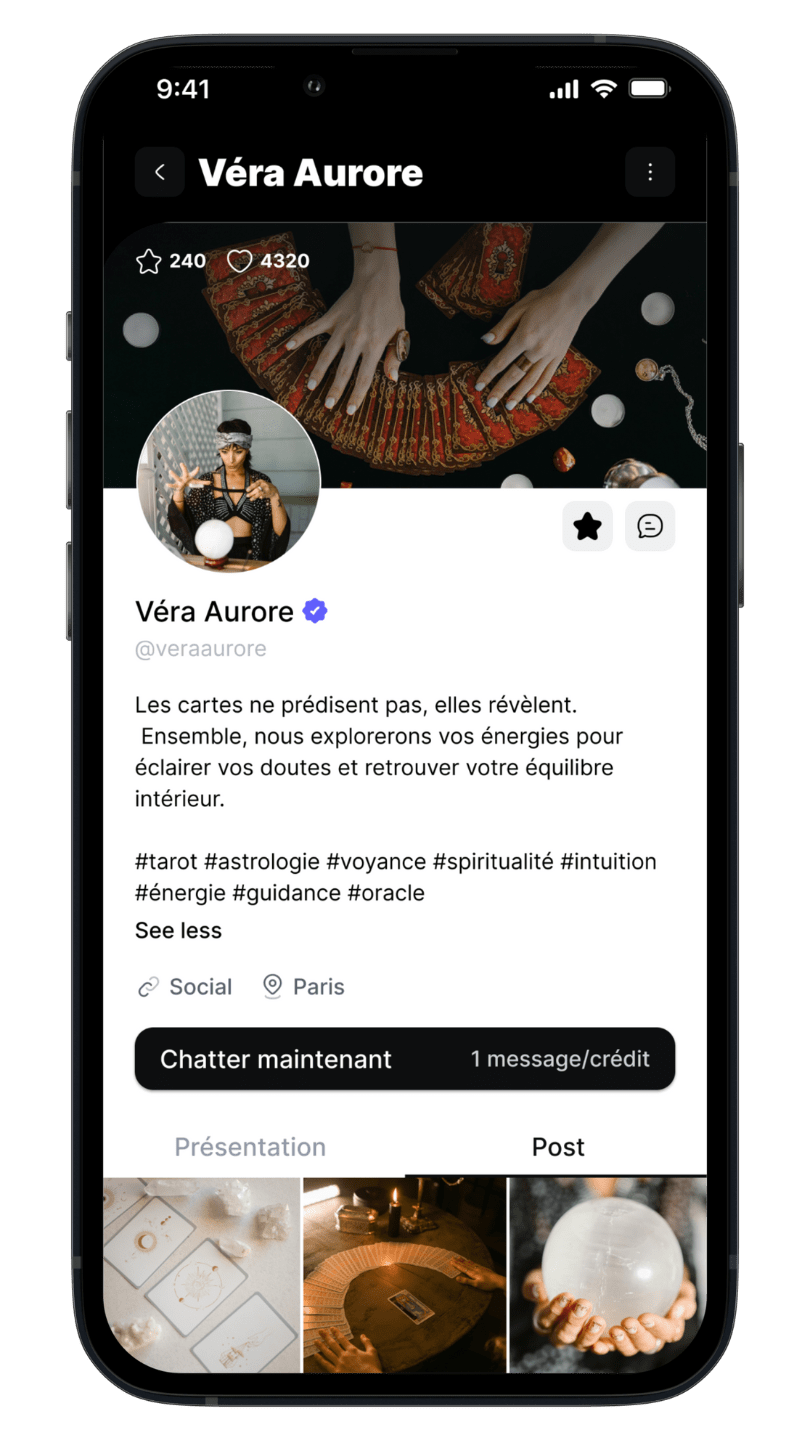
Breeve can help you clarify what you expect from a summer encounter and what your romantic memories awaken. Its online psychic chat readings allow you to explore your sentimental questions with a psychic advisor, without turning an intuition into a certainty. You can discuss, for example, your desire to relive a romantic beginning, a hesitation about a new person, or the place you wish to give to a relationship. This exchange can offer a space to put your expectations into words and reflect on the next steps according to your own feelings. It does not replace your choices: you remain free to move forward at your own pace. If this reflection would be useful to you, contact Breeve to talk about your love question.
Make your desire a choice that resembles you
To the question "will I meet someone this summer?", no answer should decide for you. Instead, ask yourself what kind of relationship you wish to welcome and what would help you feel available. This reflection turns waiting into an opportunity to better understand your desires, without demanding that a new story resembles the previous ones.
If you wish to take a step back, Breeve offers psychic chat readings, guidance around love and relationships, as well as support for your career and professional orientation questions. These exchanges can help you formulate what matters to you and examine your questions with more clarity. Keep your discernment: your choices and your pace remain your own.
Contact Breeve to talk about it, if you wish to explore this question in a personalized exchange. Move forward with curiosity, without imposing a scenario on yourself: a new summer can also begin with a better listening to your own expectations.
Frequently asked questions
What are the chances of meeting someone this summer?
There is no reliable personal percentage to predict an encounter this summer. Your opportunities depend notably on the contexts where you exchange and your availability to get acquainted. An invitation to a birthday party can introduce you to new people, while a summer devoted to solo activities offers fewer opportunities. Think in concrete possibilities rather than a numerical probability: what moments could open the way to new exchanges?